How Routine Check-ups Can Extend the Lifespan of Furniture and Surfaces
Understanding the Importance of Routine Home Maintenance
In the realm of homeownership, furniture and surfaces serve as the backbone of our living environments, defining both style and utility. Yet, many individuals neglect routine maintenance, leading to premature degradation and costly replacements. By embracing routine check-ups, homeowners can unlock the potential to not only extend the life of their furniture but also enhance the overall atmosphere of their homes.
Prolonged Lifespan of Furniture
One of the primary advantages of regular inspections is the significant extension of furniture lifespan. For instance, hardwood pieces, such as those made from mahogany or teak, can last for generations if properly cared for. Instead of succumbing to wear and tear, these items can become family heirlooms. Regularly checking for loose joints or minor scratches allows homeowners to make timely repairs that can prevent major mishaps down the line. In Nigeria, where wooden furniture is widely prized, ensuring these valuable items receive proper attention is essential.
Preservation of Aesthetics
Beyond functionality, maintaining furniture preserves its visual appeal. An inviting environment is achieved through well-cared-for surfaces that reflect the personality of the home. Upholstered furniture, in particular, can suffer without regular cleaning and treatment. Utilizing appropriate fabric protectors and routine deep cleaning can help retain that fresh look. Imagine your living room with vibrant, undamaged sofas as opposed to faded, worn-out pieces; the difference is profound.
Cost Efficiency Through Preventative Measures
Engaging in regular maintenance practices is not just about aesthetics or longevity; it is also fundamentally about cost efficiency. The upfront investment in proper care reduces the financial outlay for replacements in the long run. For example, a simple reupholstering job on a chair can be a fraction of the cost compared to purchasing a new piece. Regularly assessing furniture for potential damage—like examining for water stains or signs of pests—can save homeowners from larger expenses due to neglect.
Tackling Nigeria’s Diverse Climate
In Nigeria, the climate is a significant factor influencing furniture care. The humidity in coastal regions can lead to mold growth on fabric and wood, while dry conditions in northern areas can cause cracking in wooden surfaces. Thus, strategies like using dehumidifiers or protective coatings can help mitigate these effects. For instance, applying a sealant to wooden furniture can shield it from moisture damage, ensuring it remains vibrant and intact.
Simple Yet Effective Maintenance Practices
Implementing a few simple practices can dramatically affect the longevity of your possessions. Regularly dusting surfaces, checking furniture for structural integrity, and trying out protective treatments are just a few actionable steps. Additionally, adopting a seasonal routine for maintenance can ensure that no element is overlooked, providing a systematic approach for home care.
Ultimately, understanding the importance of regular check-ups for furniture and surfaces empowers homeowners to foster a nurturing home environment. These proactive strategies do not just enhance the look of your living space; they cultivate a sanctuary where cherished items can flourish, providing comfort and joy for years to come. Discovering the right maintenance techniques can transform furniture from mere functional objects into treasured features that tell a story within your home.
SEE ALSO: Click here to read another article
Unveiling the Hidden Costs of Neglect
Many homeowners do not realize that neglecting routine maintenance for furniture and surfaces can lead to hidden costs that go far beyond simple replacements. The failure to routinely assess the condition of furniture can result in a decrease in not only the physical integrity of your items but also their overall value. Common symptoms of neglect include uneven surfaces, fading colors, and structural weaknesses, all of which can compromise not just aesthetic appeal but also functionality.
Environmental Factors Affecting Furniture Durability
In Nigeria, environmental factors pose unique challenges to maintaining furniture and surfaces. Humidity, frequent rainfall, and temperature fluctuations are commonplace, particularly in coastal areas like Lagos or Port Harcourt. These climatic conditions can lead to moisture damage, such as warping or swelling in wooden furniture. Moreover, upholstered items are not immune; they can attract mold and mildew if not properly treated.
Understanding the specific environmental challenges your furniture faces can help you take preventive steps. The following practices tailored to Nigeria’s diverse climate can enhance the lifespan of your furniture:
- Utilize Dehumidifiers: In areas prone to high humidity, using a dehumidifier can significantly minimize moisture in the air, protecting wooden and upholstered items alike.
- Apply Protective Coatings: Regularly applying sealants and protectants can create a barrier against moisture and pests, ensuring that wooden surfaces remain dry and pest-free.
- Rotate and Rearrange: Periodically moving furniture can help equalize wear and tear, reducing the likelihood of uneven fading or strain in certain areas.
The Role of Regular Inspections
Conducting routine check-ups allows homeowners to stay ahead of potential furniture issues. Simple practices such as examining joints for looseness or checking surfaces for signs of wear can reveal problems that could escalate if left unattended. Remember, small issues often become significant problems if neglected. For example, a minor scratch on a wooden table might seem inconsequential, but it can lead to deeper damage if moisture seeps in, causing the wood to rot.
Additionally, including furniture care in seasonal cleaning routines can serve as an essential preventative measure. When cleaning your home, designate time not only for dusting but also for checking the condition of furniture and surfaces. This practice will help you catch issues before they escalate, allowing for timely repairs that may only require a small investment rather than an expensive overhaul.
In conclusion, embracing routine check-ups is pivotal for the longevity of your furniture and surfaces. By being proactive and taking the time to understand the specific demands placed on your furniture by the Nigerian climate, you can safeguard your investments, maintain a beautiful living space, and reduce long-term costs associated with neglect.
Understanding the Importance of Routine Check-ups
Routine check-ups for your furniture and surfaces might seem like an optional chore, but they are, in fact, essential to sustaining their beauty and functionality over time. Just like a vehicle requires regular maintenance to run smoothly, your home furnishings also need periodic assessments to identify potential issues before they escalate into costly repairs.By scheduling frequent check-ups, you can easily spot minor blemishes or wear and tear that may not seem significant at first. This proactive approach allows for timely interventions such as cleaning, polishing, or even refinishing, which enhance not only the aesthetics but also the durability of items such as wooden tables, chairs, and counter surfaces. Regularly maintaining furniture extends their lifespan, adding value and keeping your home looking modern and inviting.Another advantage of routine check-ups is that they contribute to a healthier living environment. When surfaces are properly maintained, it prevents the buildup of allergens and dirt, ensuring that your home remains a safe sanctuary for you and your family. Additionally, check-ups allow for the identification and treatment of any damage caused by pests or moisture, safeguarding both the furniture and structural integrity of your home.Ultimately, the initial time and expense involved in maintaining your furniture through routine check-ups are outweighed by the benefits of longevity, health, and aesthetic appeal. Remember, investing in the care of your furnishings promotes a tranquil living space where harmony and comfort reign.
| Category | Advantages |
|---|---|
| Proactive Maintenance | Prevent issues before they escalate, saving costs on repairs. |
| Health Benefits | Minimize allergens and ensure a clean, safe environment. |
By taking simple steps towards regular assessments, homeowners can not only enhance their furniture’s lifespan but also contribute to a healthier and more aesthetically pleasing home.
SEE ALSO: Click here to read another article
The Financial Benefits of Forward-Thinking Maintenance
Investing time in routine check-ups doesn’t just preserve the aesthetic appeal of your furniture and surfaces; it can also lead to considerable financial savings. On average, homeowners spend a significant portion of their household budgets on furniture replacement. However, studies suggest that consistent maintenance can reduce these costs by as much as 30% over time. This statistic highlights the importance of incorporating maintenance into your budget, as it outstrips the cost of repairs or replacements that often accompany neglect.
Cost-Effective Repairs vs. Total Replacements
The financial implications of furniture upkeep become even more pronounced when comparing cost-effective repairs to total replacements. For instance, the cost of reupholstering a chair, which can range from ₦15,000 to ₦40,000 depending on fabric choices, is considerably less than buying a new chair that may amount to ₦100,000 or more. This not only saves money but also allows homeowners to customize the furniture back to their personal style.
Moreover, many skilled artisans specialize in furniture repair and restoration in Nigeria, from Lagos to Abuja. By engaging local professionals, homeowners can extend the lifespan of cherished pieces while supporting the local economy. Regular maintenance check-ups can equip owners with valuable insights to identify issues early on, ultimately ensuring that repairs remain manageable and affordable.
Preserving Sentimental Value
Another compelling reason for routine check-ups is the preservation of sentimental value. Furniture often tells a story; from inherited pieces passed down through generations to unique finds from artisan markets. Regular maintenance not only extends their usability but also retains their emotional significance. Homeowners in Nigeria often form deep connections with their furniture, linked not just to utility but also to memories and history. By prioritizing upkeep, one can ensure that these beloved items are preserved for years to come.
Exposure to Ultraviolet (UV) Rays
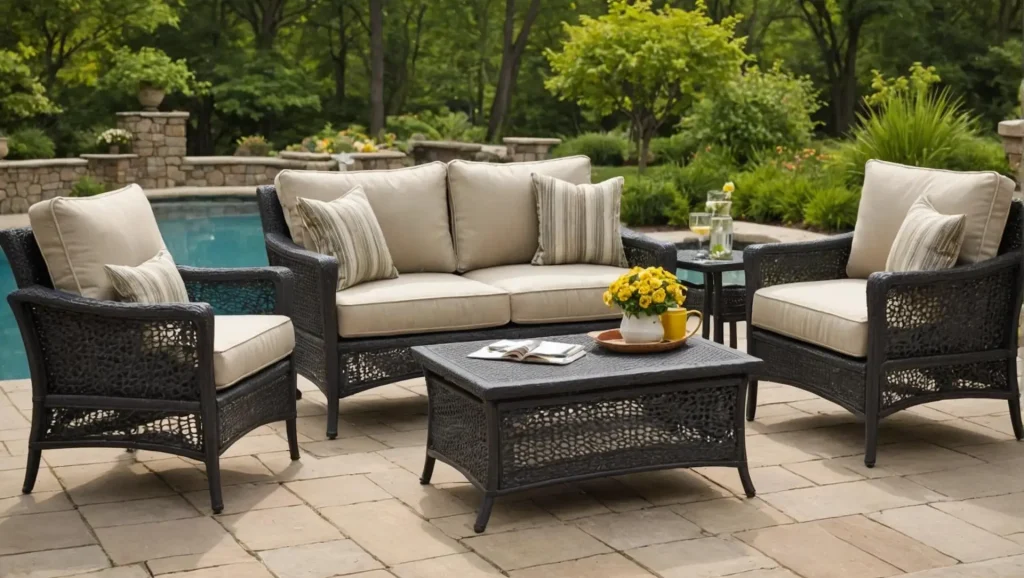
In countries like Nigeria, where sunlight can be intense, another crucial aspect of maintaining furniture is addressing the impact of UV rays. Prolonged exposure to sunlight can lead to fading and discoloration of furniture surfaces and fabrics. Therefore, every homeowner should consider placing protective furniture covers or utilizing curtains made with UV-resistant materials, which can be a game changer in extending the life of both outdoor and indoor pieces.
Furthermore, keeping furniture out of direct sunlight during peak hours or rearranging items to minimize sun exposure can effectively increase their lifespan. For wooden surfaces, regularly applying UV-resistant finishes can significantly diminish the risk of degeneration due to sun exposure.
By addressing these critical aspects through routine check-ups, not only can you enhance the lifespan of your furniture and surfaces, but the financial savings, sentimental value retention, and protection against environmental factors can create a more enjoyable and enriching living space.
YOU MAY ALSO LIKE: Read read another article
Conclusion: Elevating Your Living Space Through Regular Maintenance
In summary, the importance of routine check-ups for furniture and surfaces cannot be overstated. By incorporating maintenance into your regular home care regimen, you not only enhance the longevity of your cherished items but also significantly decrease the risk of costly replacements and repairs. This forward-thinking approach fosters a cost-effective strategy that can save homeowners up to 30% in long-term expenses—money that can be redirected towards other enriching experiences or home improvements.
Beyond financial benefits, the emotional connection to furniture is priceless. Each piece often holds a sentimental value that reflects personal stories and cultural heritage. By prioritizing upkeep, you ensure that these valuable belongings remain integral to your living space. Moreover, considering environmental factors such as UV exposure adds yet another layer of protection that can further prolong their life. With the sun’s intense rays particularly prevalent in Nigeria, proactive measures like protective covers and UV-resistant finishes are crucial.
In a world where consumer culture often leans towards disposability, embracing a routine check-up schedule encourages a mindset of sustainability and appreciation for craftsmanship. Ultimately, by investing time in the care of your furniture and surfaces, you create a more resilient and inviting home that not only tells your personal story but also supports the local economy through skilled artisans. Regular maintenance is not just about keeping things looking good; it’s about cherishing the essence of your living environment and ensuring it thrives for generations to come.