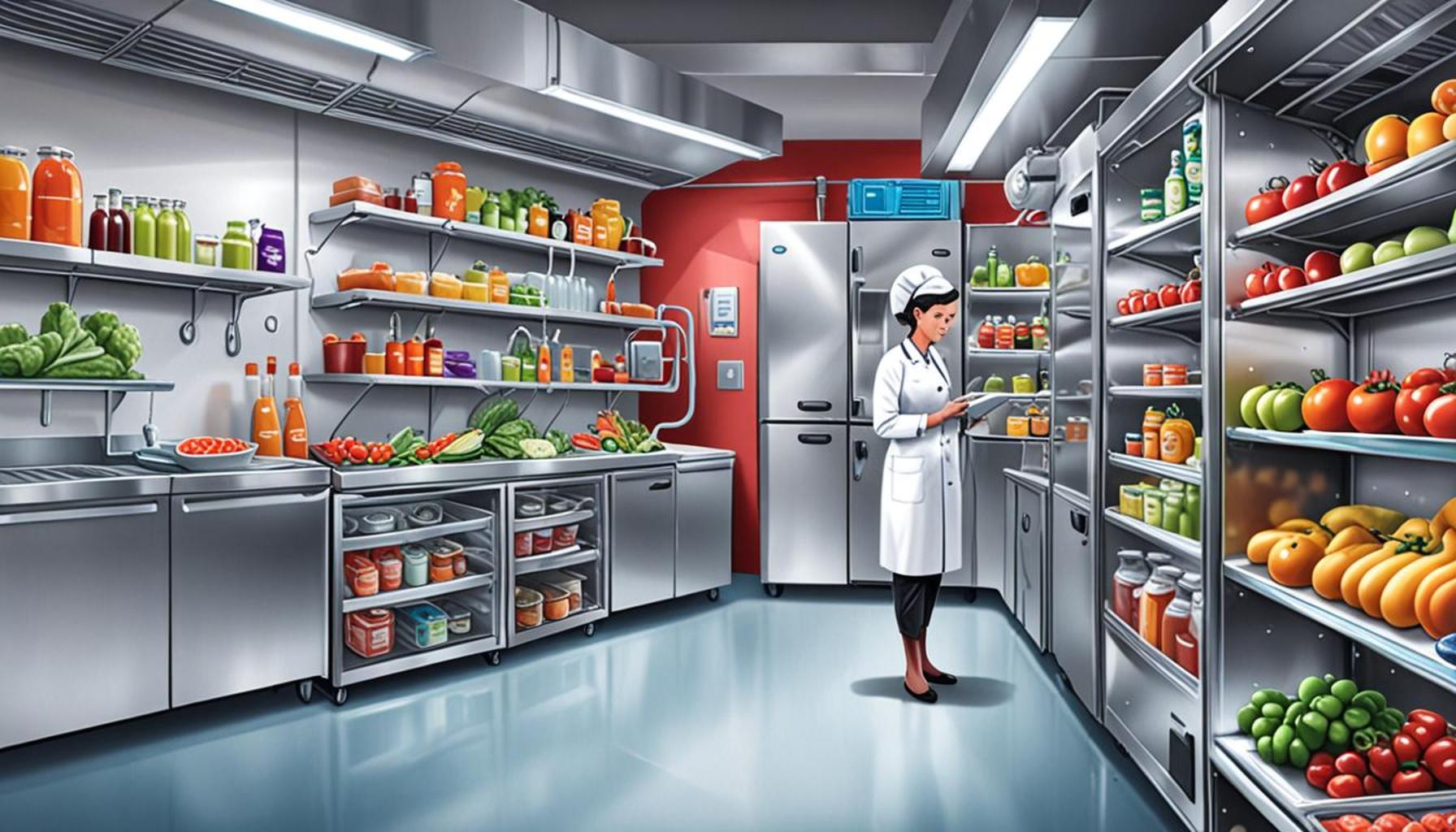
Maintenance Check-ups on Kitchen Equipment: Increasing Efficiency and Safety in Food Preparation

Enhancing Kitchen Operations
In the bustling environment of food preparation, the efficiency and safety of kitchen equipment are paramount. Regular maintenance check-ups can significantly influence not only the *operation effectiveness* but also the quality of food served. When kitchens, whether commercial or domestic, function at their best, it reflects not just on the meals prepared but on the overall dining experience. Ignoring these vital practices can lead to costly breakdowns and potential hazards that can put the well-being of both staff and customers at risk.
Importance of Regular Maintenance
There are several compelling reasons why maintenance check-ups are essential to the smooth operation of any kitchen:
- Increases Equipment Longevity: Regular servicing can extend the lifespan of your kitchen tools, allowing you to get the most out of your investment. For instance, a well-maintained commercial oven can last years longer than one that is frequently neglected.
- Enhances Performance: Well-maintained equipment operates more efficiently, saving time and energy. For example, a grater or blender that has been cleaned and serviced regularly will function with greater speed and accuracy, resulting in timely meal preparation.
- Ensures Safety: Regular inspections can prevent accidents caused by faulty equipment. A malfunctioning deep fryer or gas stove can pose serious burn or fire risks, making routine check-ups crucial for workplace safety.
A Local Perspective
In Nigeria, where the culinary scene is diverse and vibrant, maintaining kitchen equipment carries particular significance. The local market offers a variety of appliances suited for different cooking styles, from gas stoves common in home kitchens to industrial dishwashers in restaurants. Each type requires tailored check-ups to ensure they function optimally. For example, in the bustling streets of Lagos, a street food vendor depends on his frying equipment to be in peak condition to meet the high demand from customers. This cultivates a culture of quality and community trust. Furthermore, in cities like Abuja, where many individuals enjoy modern cooking gadgets, understanding the importance of proactive maintenance can pave the way for better food safety and operational excellence.
Being Proactive
Investing in maintenance check-ups is an investment in quality and safety. By addressing potential issues before they escalate, food businesses can rise to meet the demands of their customers with confidence. For restaurateurs and home chefs alike, developing a routine maintenance schedule not only prevents emergency breakdowns but also creates a predictable operational environment. As the culinary market in Nigeria continues to evolve, those who prioritize equipment maintenance will inevitably stand out in the eyes of discerning diners and food lovers. Embracing this proactive approach can lead to enhanced customer satisfaction, operational efficiency, and an overall elevate dining experience.
ADDITIONAL INSIGHTS: Expand your understanding here
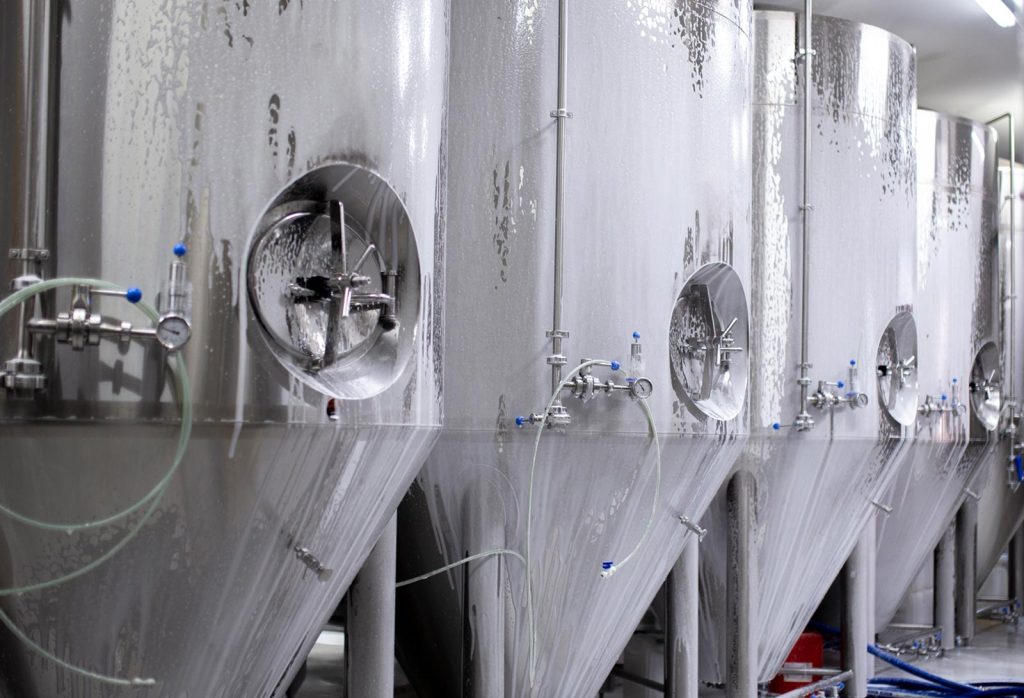
Understanding Maintenance Needs
In the heart of every successful kitchen lies equipment that operates seamlessly and efficiently. However, maintenance check-ups are often the unsung heroes behind the scenes, quietly ensuring that everything runs smoothly. It is not only about keeping the kitchen in working order but also about recognizing the specific needs of various appliances that face different challenges in food preparation settings. From handling high temperatures to constant usage, each piece of equipment has its own story of wear and tear that necessitates attentive care.
Types of Kitchen Equipment Subject to Maintenance
It is beneficial to categorize kitchen equipment based on how frequently they should undergo maintenance check-ups. Understanding these categories can help kitchen operators prioritize their resources better. Here are some essential types of kitchen equipment that often require regular maintenance:
- Cooking Equipment: Ovens, stovetops, and grills are fundamental in daily operations yet can develop faults due to excessive heat and food residue. Scheduling regular inspections will prevent heating inconsistencies or the risk of fire hazards.
- Refrigeration Units: Refrigerators and freezers play an essential role in food safety by maintaining necessary temperatures. Routine check-ups ensure that these units are working efficiently, preventing food spoilage and ensuring compliance with health regulations.
- Small Appliances: Food processors, blenders, and mixers may seem less critical but are integral to timely meal preparation. Regularly checking these tools reduces the risk of breakdowns that can disrupt service during peak hours.
- Dishwashing Equipment: Cleanliness is key in any kitchen. Dishwashers require thorough maintenance to function effectively and ensure that sanitized dishes are available to caterers or restaurant patrons, maintaining hygiene standards.
Challenges in Maintenance
Despite the clear benefits, many kitchen operators in Nigeria face significant challenges when it comes to establishing a maintenance routine. The availability of skilled technicians who understand local equipment variations can be limited. Moreover, the costs associated with routine maintenance can deter businesses from prioritizing these essential check-ups. However, as highlighted earlier, ignoring equipment maintenance can lead to far more significant expenses arising from equipment failures or food safety violations.
Considering the cultural and culinary richness inherent in Nigeria’s food market, investing in the maintenance of kitchen equipment is ultimately a commitment to quality and safety. By recognizing the critical role that regular check-ups play in optimizing performance and ensuring a safe cooking environment, food businesses can align themselves with best practices that not only enhance productivity but also build a reputation for culinary excellence.
| Advantage | Explanation |
|---|---|
| Increased Efficiency | Regular maintenance check-ups ensure kitchen equipment operates at peak performance, minimizing downtime. |
| Enhanced Safety | Routine inspections help identify potential hazards, reducing the risk of accidents or health violations. |
Regular maintenance check-ups on kitchen equipment are more than just a recommended practice; they are essential for any commercial kitchen aiming to thrive. First and foremost, these check-ups play a vital role in increasing efficiency. When kitchen equipment, such as ovens and fryers, is properly maintained, it performs optimally, which can significantly reduce the time spent on food preparation. This efficiency translates directly into increased productivity, allowing chefs and kitchen staff to focus on food quality and creativity without the worry of breakdowns. On the safety front, maintenance check-ups are critical. Equipment that is well-maintained operates safely, thus preventing accidents that could jeopardize the well-being of kitchen staff and the customers being served. For example, faulty equipment can lead to potential hazards like fires or food contamination. Well-timed inspections and servicing can mitigate these risks, ensuring compliance with health and safety regulations. This not only protects the establishment’s reputation but also enhances customer trust in the kitchen’s operational standards. Incorporating a routine maintenance schedule can yield benefits far greater than the costs associated with these check-ups, proving invaluable in the fast-paced world of food preparation.
LEARN MORE: This related article may interest you
Benefits of Regular Maintenance Check-ups
As the culinary scene in Nigeria continues to evolve, maintaining efficiency and safety in food preparation is more critical than ever. Regular maintenance check-ups on kitchen equipment come with a multitude of benefits that can impact operations, finances, and overall reputation.
Enhancing Productivity
One of the most immediate advantages of consistent maintenance check-ups is the boost in productivity. When kitchen equipment is regularly inspected and serviced, operators can avoid unexpected breakdowns that cause significant downtime. Planned maintenance, as opposed to reactive maintenance, allows chefs to focus on their culinary craft instead of worrying about whether a critical piece of equipment will fail. For example, a restaurant in Lagos that invested in a bi-annual maintenance program for its ovens reported a 20% increase in food preparation speed during peak hours.
Extending Equipment Lifespan
Just like any machinery, kitchen tools and appliances have a lifecycle that can be extended with proper care. Regular maintenance helps identify issues before they escalate, enabling replacements of parts or complete units only when necessary. For instance, a restaurant in Port Harcourt saw its refrigeration units last nearly twice as long after implementing a routine check-up process, saving thousands on capital expenditures. By investing in maintenance, kitchens can also maximize their return on investment, which is crucial in a competitive market.
Ensuring Food Safety
Food safety is non-negotiable in the culinary world. Consistent maintenance check-ups ensure that kitchen equipment is functioning at optimal levels to maintain appropriate temperatures and hygiene standards. For example, if a commercial freezer is not regularly inspected, it may operate above the required temperature, leading to spoiled food and potential health hazards. According to studies, nearly 30% of foodborne illnesses arise from improper food storage—a statistic that underscores the importance of regular equipment check-ups. Ensuring that refrigeration units are properly maintained not only protects customers but also safeguards the establishment’s reputation.
Reducing Energy Costs
Another compelling reason to prioritize maintenance is the potential for significant cost savings on energy bills. Equipment that is not functioning optimally uses more energy, leading to inflated utility costs. Regular maintenance helps to keep equipment in peak condition, often resulting in lower energy usage. Energy-efficient equipment can also now be corrected through minor adjustments that come during maintenance check-ups, further driving down costs. For a mid-sized café in Abuja, a comprehensive maintenance program resulted in a 15% reduction in monthly energy consumption, contributing to their overall profitability.
Meeting Regulatory Standards
In Nigeria, compliance with health and safety regulations is fundamental for any food establishment. Routine maintenance check-ups help ensure that kitchen equipment meets both local and international standards, thereby reducing the risk of fines and legal repercussions. With frequent inspections, operators can identify non-compliance issues before they are flagged during audits. Establishments that have committed to rigorous maintenance protocols have reported smoother regulatory reviews, allowing them to focus more on providing excellent service.
All in all, the importance of maintenance check-ups on kitchen equipment cannot be overstated. They provide a foundation of operational excellence and are a fundamental aspect of running a successful food business in Nigeria. As the industry becomes increasingly competitive, investing in maintenance not only ensures safety and efficiency but also reflects a commitment to quality that can capture the hearts of discerning customers.
ADDITIONAL INSIGHTS: Expand your understanding here
Conclusion
In the fast-paced world of food preparation, especially within Nigeria’s burgeoning culinary landscape, the significance of regular maintenance check-ups on kitchen equipment emerges as a pivotal component for success. By conducting routine inspections, food establishments not only enhance productivity but also safeguard food safety and significantly cut down on energy costs. As emphasized throughout this article, the effective management of kitchen equipment directly links to maintaining high standards of service and compliance with regulatory requirements.
Moreover, extending the lifespan of vital kitchen assets through consistent care leads to smarter financial decisions, ultimately positioning a restaurant or catering service for long-term sustainability. Investing in planned maintenance could mean the difference between a thriving business and one plagued by frequent equipment failures and associated downtime. As anecdotal evidence suggests from numerous establishments across cities like Lagos, Port Harcourt, and Abuja, a strategic commitment to maintenance is not merely an operational necessity—it is a hallmark of excellence and resilience in today’s competitive market.
In conclusion, embracing regular maintenance check-ups is not just an act of diligence, but a declaration of the establishment’s commitment to safety, efficiency, and quality in food preparation. As the Nigerian culinary sector continues to evolve, the foresight to prioritize maintenance will undoubtedly set apart those who are serious about leading in the industry. Poor equipment maintenance can compromise everything from food quality to customer health, making it essential for operators to harness the benefits of maintenance practices that resonate well beyond financial savings. The future of food preparation rests on our ability to ensure that every piece of equipment functions optimally, allowing chefs to create, innovate, and deliver exceptional dishes with confidence.